The Role of Luck in Gambling
Luck is often seen as the primary force in gambling, particularly in games of chance such as slots, roulette, and certain table games. Many players enter the casino with the hopeful notion that luck will be on their side during their visit to explore opportunities like 1win , where they can find various exciting games. This belief is rooted in the unpredictable nature of these games, where outcomes are determined by random factors that players cannot control. While decision-making and strategy play a part in some games, the fundamental reliance on luck can create an exhilarating atmosphere for players, as they anticipate the unexpected.
For many, luck serves as a psychological comfort that can enhance the gaming experience, making the venture into the casino feel more exciting. When players win, they often attribute their success to luck, celebrating what they perceive as serendipity. However, it’s important to consider that luck is a variable that can change rapidly within a single gaming session, leading to a rollercoaster of wins and losses. Understanding this ebb and flow can help players manage their expectations and enjoy their time at the casino without becoming overly dependent on the whims of fortune.
However, the concept of luck in gambling can be a double-edged sword. While some players experience streaks of good fortune, others may find themselves on the other side of the spectrum. This disparity underscores the randomness inherent in gambling. It’s crucial for players to approach their casino experience with a balanced mindset—acknowledging that luck is indeed a factor, but not the sole determinant of their success. This perspective can lead to more grounded expectations and a healthier attitude toward winning and losing.
Skill versus Luck: The Debate
While luck undoubtedly plays a significant role in many casino games, the argument for skill cannot be dismissed entirely. In games such as poker, where strategy, psychology, and experience come into play, skilled players can leverage their knowledge to gain an edge over less experienced opponents. In this context, success is not solely dictated by luck; players who understand the intricacies of the game can increase their chances of winning through informed decisions and tactics.
The influence of skill becomes even more pronounced in games where player decisions impact outcomes, such as blackjack or baccarat. Here, understanding optimal strategies—like when to hit or stand—can drastically alter the outcome of a hand. Players who focus on honing their skills may find themselves enjoying a more consistent level of success than those who rely primarily on luck. This highlights the need for a balanced approach, appreciating that while luck may play a role, cultivating skill can also yield significant benefits.
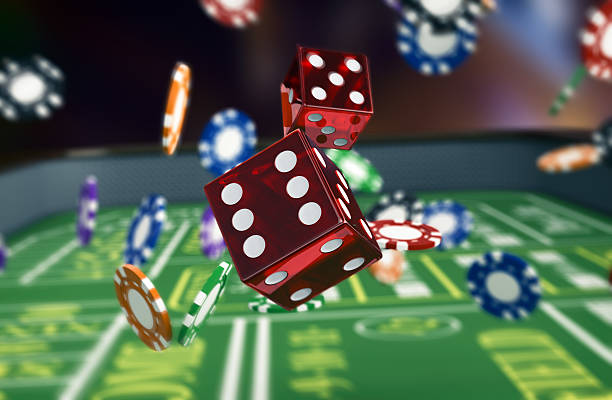
Ultimately, the relationship between luck and skill varies by game type. Games based on pure chance often showcase the overwhelming influence of luck, while others allow for strategic play. This diversity means that players have different experiences at the casino, influenced by their game choices and personal approaches to gambling. Recognizing this interplay can empower players to make informed decisions that align with their preferences and goals.
The Psychological Aspect of Luck
The psychological impact of luck in gambling is profound. Many players believe in lucky numbers, rituals, or certain patterns that they think might sway the odds in their favor. This belief in personal luck can be a compelling motivator, encouraging players to return to the casino in hopes of repeating their past successes or discovering new lucky streaks. However, these psychological factors can also lead to flawed thinking, as players may attribute losses to bad luck rather than assessing their gameplay critically.
Moreover, the concept of “confirmation bias” can play a part in how players perceive luck. Players may tend to remember their lucky wins more vividly than their losses, reinforcing the belief that luck is the primary driver of their success. This selective memory can create a distorted view of their gambling performance, leading them to continue playing even when the odds are against them. Understanding these psychological tendencies can help players approach gambling with greater clarity and realism.
Additionally, the sensation of winning, often linked to luck, releases dopamine in the brain, creating a pleasurable experience that encourages further play. This natural reward system can foster a cycle of chasing wins, where players persist despite signs that luck may not be on their side. Recognizing the psychological components of gambling may aid players in making more informed choices, enhancing their overall casino experience while mitigating the risks associated with reliance on luck.
Managing Expectations: The Reality of Luck
For many gamblers, managing expectations concerning luck is essential to having a positive experience at the casino. While it’s natural to hope for a winning streak, it’s crucial to recognize that casinos are designed to be profitable, which means that the odds are often against players in the long run. Understanding this can help players approach their gambling activities with a sense of realism, allowing them to enjoy the entertainment value of gaming without undue stress over winning or losing.

Setting a budget and establishing limits can help manage expectations effectively. Players should enter a casino with a clear understanding of what they are willing to spend and be prepared to walk away if they don’t achieve the desired results. This mindset can help mitigate the emotional rollercoaster that often accompanies gambling and cultivate a more enjoyable experience. By treating their gaming venture as a form of entertainment rather than a guaranteed path to riches, players can enjoy their time without falling victim to the whims of luck.
Additionally, embracing the concept of luck as just one factor among many can enhance a player’s experience. Recognizing the role of chance while also appreciating the strategic elements can lead to a more holistic understanding of the gaming experience. By focusing on enjoyment rather than solely on winning, players can cultivate a healthier relationship with gambling, allowing luck to be a fun, unpredictable companion rather than a determining factor in their success.
Your Go-To Resource for Casino Insights
For those looking to dive deeper into the world of casinos and gambling, exploring reputable resources can provide valuable insights. From understanding betting strategies to learning about game mechanics, having access to quality information can enhance the gaming experience. Resources can help players navigate their choices more effectively, whether they are seasoned gamblers or new visitors looking to try their luck.
These resources often offer a variety of perspectives on games, player psychology, and the balance between luck and skill. By exploring these insights, players can arm themselves with knowledge that may improve their chances of success and enrich their overall experience at the casino. Engaging with a community of like-minded individuals can also foster a more enjoyable atmosphere, as sharing strategies and experiences can provide additional motivation and camaraderie.
Ultimately, understanding how luck influences success in a casino is a complex interplay of various factors. Players who embrace both the randomness of luck and the importance of skill are likely to enjoy their casino visits more fully. By leveraging quality resources and managing expectations, gamblers can navigate the thrilling world of casinos with a sense of purpose and enthusiasm, making the most of their gaming adventures.